
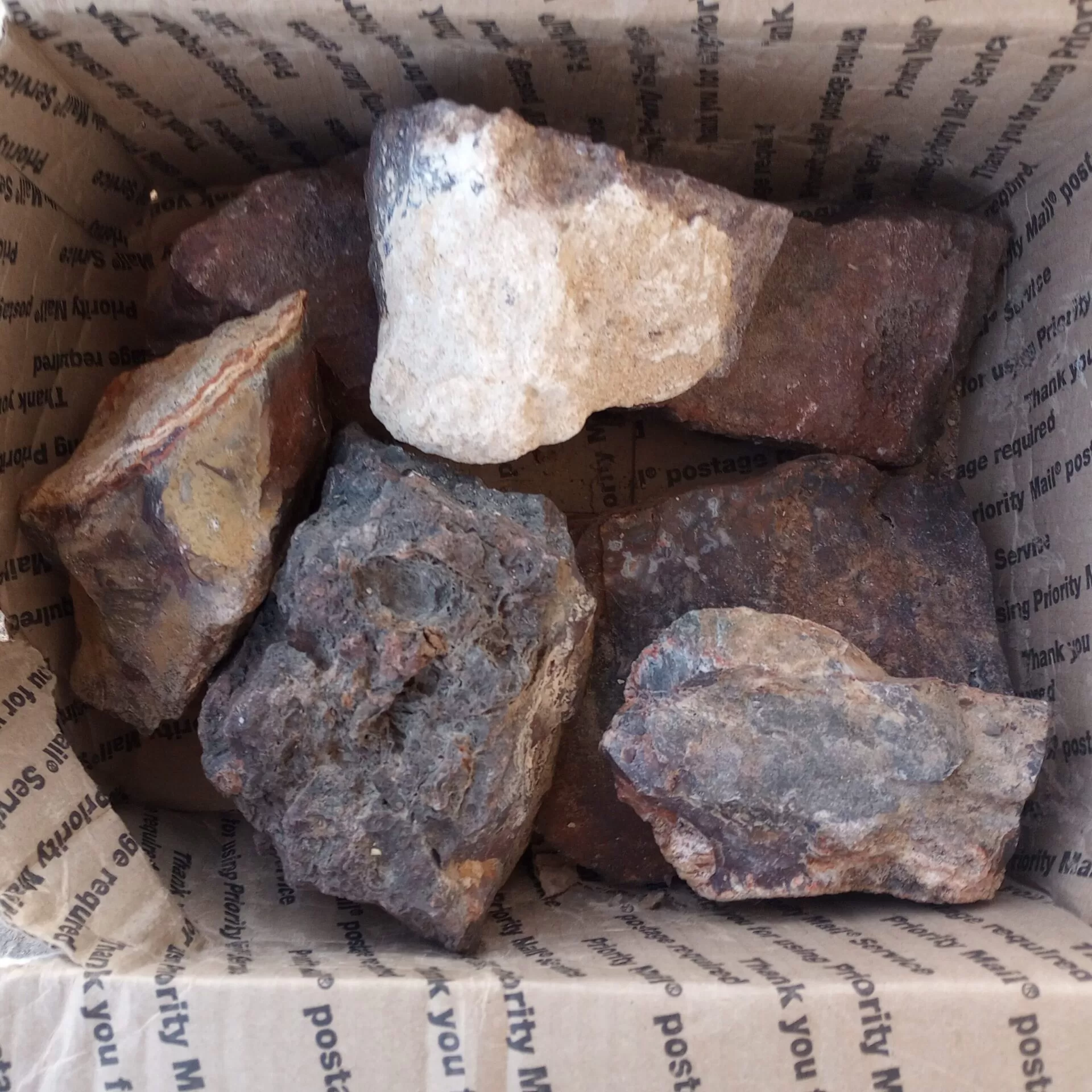
Rockhounding presents a gratifying and potentially profitable avocation; however, geographical limitations may restrict enthusiasts’ access to preferred locations. Fortunately, a substantial array of exceptional rockhounding opportunities are now readily accessible.
The internet has facilitated a diverse spectrum of rockhounding prospects, empowering individuals to obtain rocks, slabs, and cabochons from online platforms, including, but not limited to, eBay, personal websites, Etsy, Artfire, Craigslist, and Facebook Marketplace.
Investing in rocks and minerals:
The rapid escalation of rock prices within a brief timeframe serves as a compelling illustration of the principles of supply and demand. Gemstones and minerals can exhibit limited availability and rapidly gain popularity. These rocks often originate from small, unique deposits. Once depleted, they are irreplaceable, thus constituting a potentially superior investment when compared to other investment opportunities.
What is the potential return on investment? Consider Lander Blue Spiderweb Turquoise, for instance, which was regarded as expensive in the 1970s, commanding $1.00 per carat. Currently, it can fetch over $350.00 per carat, resulting in substantial profits for those who invested in this remarkable turquoise.
Beyond this lucrative material, Laramar, Ocean Jasper, Bumble Bee Jasper, and Leopard Skin Jasper would have offered considerable profit-generating opportunities at various points in time.
Minerals Collected By Mineral Collectors
Rock collections can be generally categorized into two primary types: those assembled by mineral collectors and those curated by lapidaries.
Mineral collectors typically preserve specimens in their natural state, maintaining their original appearance. These collections frequently include rare and precious gemstones and minerals, showcasing their beauty in their natural geological context. Mineral collectors’ collections can be exceedingly impressive and may be exhibited under both natural and artificial fluorescent lighting, depending on the mineral type and specimen being collected.
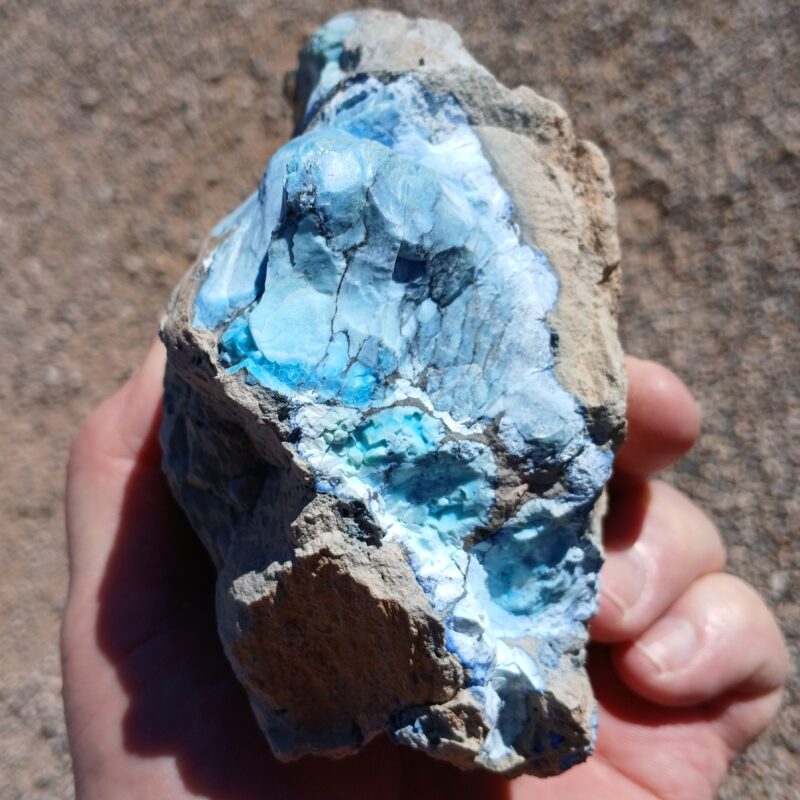
Hotsonite, a rare, white hydrated aluminum phosphate-sulfate mineral, is a colorful yet soft material, making it a more suitable specimen for a mineral collector compared to a lapidary.
Minerals Collected By Lapidaries
Lapidary represents the specialized art of cutting and polishing stone. Lapidaries typically display rocks and minerals in their refined and polished states.
Two primary categories encompass the field of lapidary: Cabochons and Faceted Gemstones, although several other forms of lapidary work are also recognized.
Lapidary specimens may be polished on one end for use in bookends, slabbed and polished for display in small easels, or transformed into gemstones or cabochons for use in collections or jewelry.
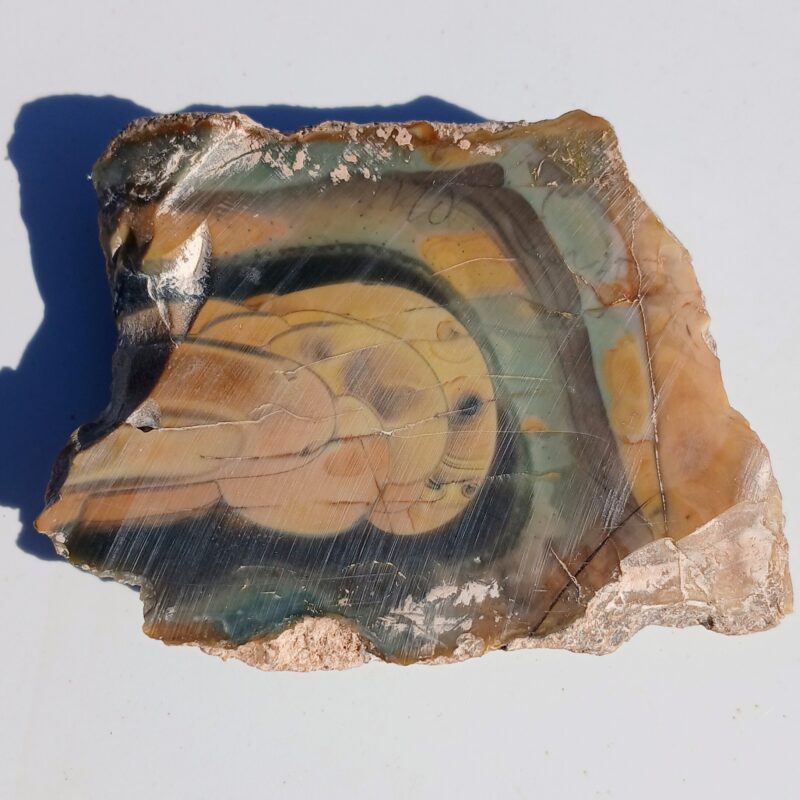
Morrisonite, the “King of Jaspers”, a lapidary favorite.
Warning!
Engaging in the hobby of collecting rocks and minerals, whether through online platforms or by making in-person excursions, can be an enjoyable but potentially habit-forming pursuit. To ensure you make well-informed purchasing decisions and avoid overspending, it is essential to conduct thorough research on each individual specimen. This research should focus on understanding its quality attributes, identifying any unique features, and ultimately determining if you are receiving a fair and reasonable price that aligns with its true worth.